
Our Team
Our Staff

-
Executive Director
Alisa is passionate about social, economic, and environmental justice and working collaboratively to dismantle systems of oppression. Alisa has a master's degree in International Community Development from the University of Calgary. She has nearly 20 years of experience as a community developer in Calgary, co-creating and managing local and international projects in project design, implementation and evaluation. With a focus on social justice and human rights, Alisa has worked in the fields of homelessness and poverty reduction, gender-based violence, and most notably counter-human trafficking.
"The work of the End FGM Canada Network is to strengthen and support systems that protect women and girls from FGM/C. This can only be done when people recognize this act as a human rights violation and crime within Canada. We must continue to work together to end all types of gender-based violence."

-
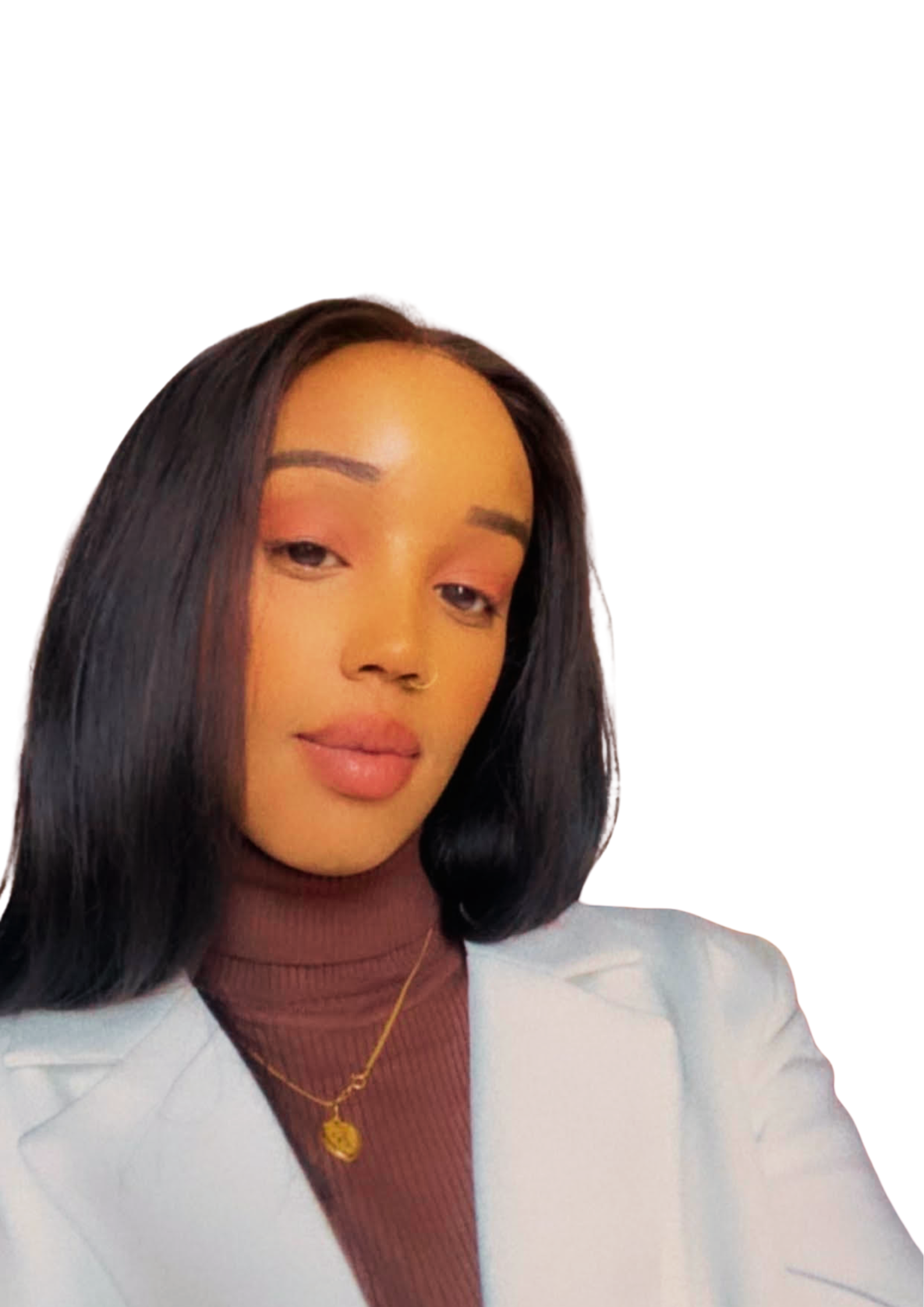
National Network Coordinator
Warda Warsame is based in Toronto and has worked for over a decade in community development and settlement services. She is passionate about supporting marginalized and diverse populations, particularly newcomers to Canada, by helping them navigate complex systems, advocating for underserved communities, and addressing systemic barriers. Her work focuses on gender justice, anti-FGM advocacy, and social equity. Warda holds an undergraduate degree in English and a Master’s in Humanities, with research interests in gender studies, racialization, and social stratification.“FGM/C should have been a horrific practice of the past that we look at with disdain. Unfortunately, it is not. It is gender-based violence, a human rights violation, and child abuse. The conversation around FGM/C needs to operate from that lens, and as Canadians, it is well past the time to be coy around this topic. I joined the Network to centre the voices and experiences of survivors and to bring to the table stakeholders from Canadian institutions and impacted community members."
-
Western Network Coordinator
Faiza Salleh is the Western Canada Coordinator with End FGM Canada Network. With a background in international development, community engagement, and strategic communications, she has worked across Canada and East and Southern Africa to advance gender equality and support community-led initiatives.Faiza holds a Bachelor of Science in Biology with a minor in Women’s and Gender Studies. She is passionate about supporting women and girls to build resilience, recognize their own power, and advocate for themselves and their communities. Her work is grounded in gender justice, youth engagement, and creating spaces where women, girls, and affected communities can meaningfully shape the decisions that impact their lives.
“Ending FGM/C means creating a future where every girl and woman has the knowledge, confidence, and support to advocate for herself. I believe lasting change happens when we centre the voices of survivors and communities and support women and girls in recognizing their own power, resilience, and right to bodily autonomy.”

-
Miss Kitty Campaign Manager
Dr. Ghazala Usmani is based in India and brings a unique blend of medical and digital expertise to her advocacy work. A trained dentist, she now works as a personal brand strategist and content specialist, helping founders, CXOs, and changemakers build impactful narratives online.Raised in a progressive Muslim household, Ghazala credits her father for nurturing her dreams without limitations and her mother for modeling quiet strength and resilience. These values deeply influence her commitment to gender justice and women's empowerment.
Ghazala was introduced to the issue of FGM/C while researching women's health and was shaken by its continued practice, especially in parts of India. This discovery inspired her to join the movement and work towards change.
“I was oblivious to the horror of FGM/C until I began reading survivor stories and reports. I couldn’t believe something so brutal still exists. It jolted me but it also awakened a deep desire to act. I may be one voice, but I want to use it to stand against FGM/C and support the women and girls affected by it.”
-
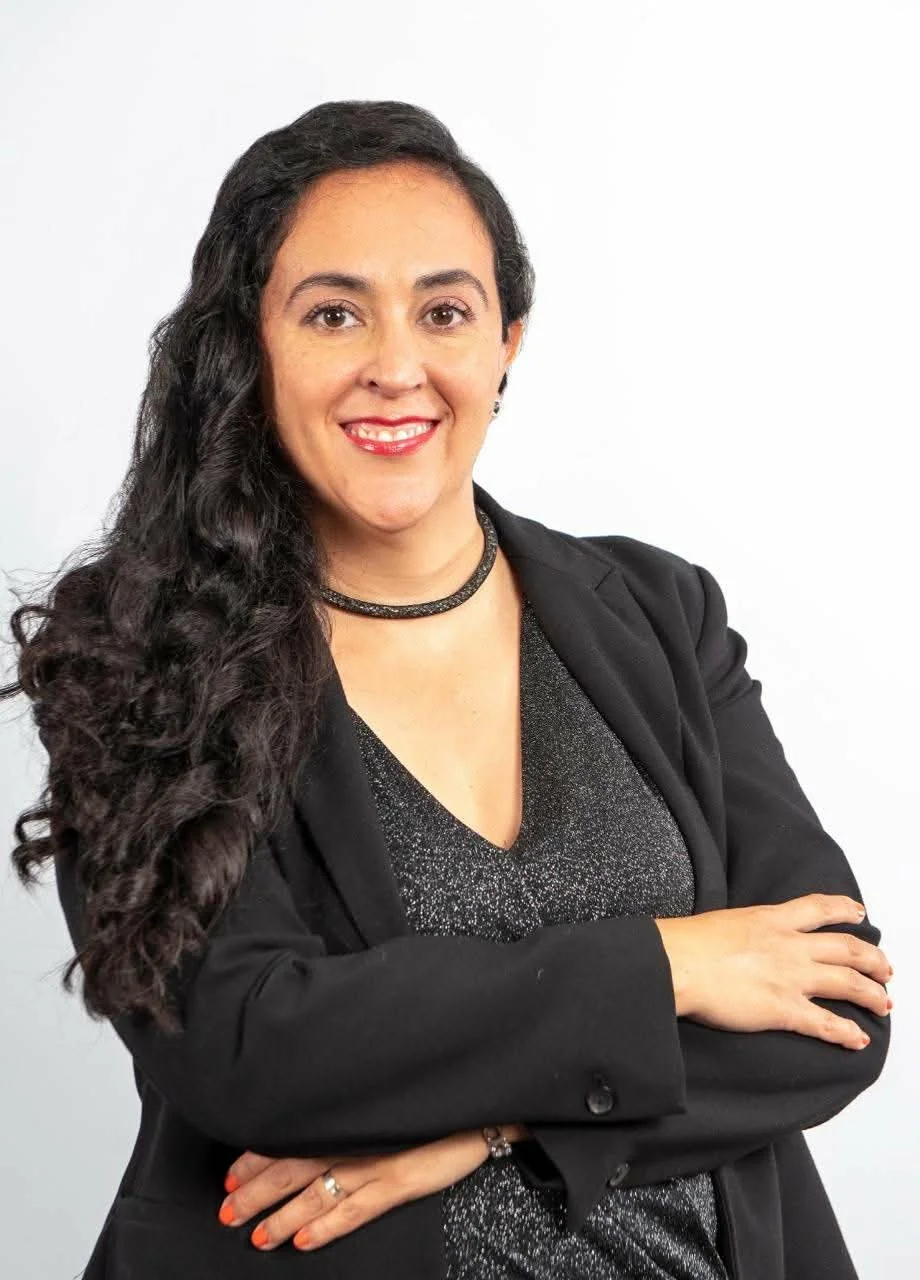
Atlantic Network Coordinator
Brenda is a training facilitator and community-based program leader with over a decade of experience advancing awareness, prevention, and survivor support in gender-based violence (GBV), including female genital mutilation/cutting (FGM/C). She specializes in building strong cross-sector partnerships and delivering engaging, impactful training for diverse audiences, including students, service providers, and frontline professionals.
Throughout her career, Brenda has worked closely with government, law enforcement, healthcare, and community organizations, delivering educational sessions, leading outreach initiatives, and contributing to research and policy recommendations for decision-makers.
Her work in the settlement sector has also shaped her understanding of systemic barriers, strengthening her commitment to inclusive and accessible programming.
“I am confident that we can transform fear and secrecy into collective action—protecting girls from FGM/C while ensuring that survivors feel seen, heard, and understood. Breaking the silence is a vital first step toward healing and hope. Together, we can inspire and empower champions who will amplify this message and advance our shared mission: to strengthen protections for those at risk and work toward the elimination of all forms of FGM/C.”
Our Board
-
Co-Chair
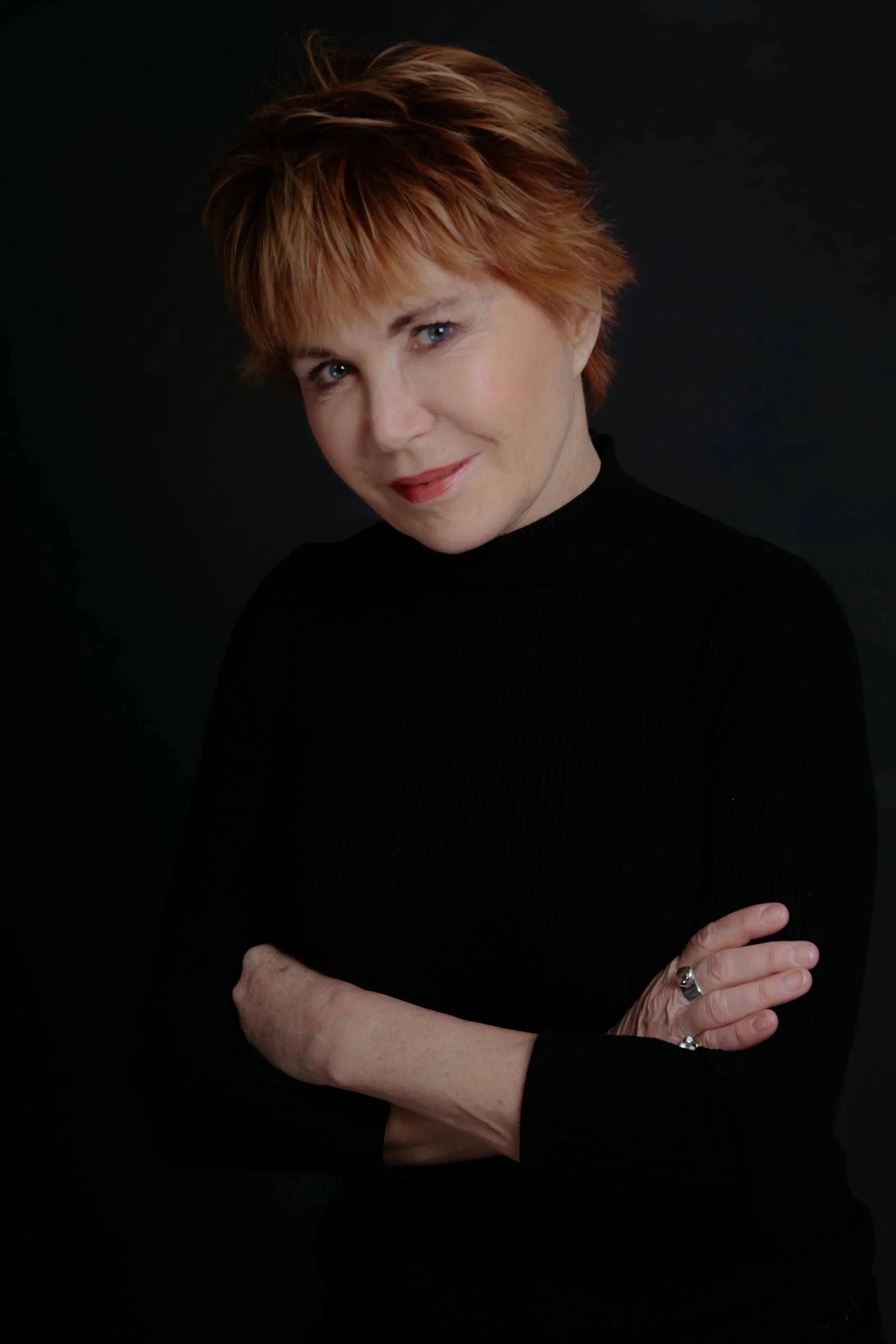
Giselle Portenier is a journalist and filmmaker with a passion for human rights, especially the human rights of children and women. Her ground-breaking documentaries have helped change minds, hearts, and even laws. Her most recent award-winning film is In The Name Of Your Daughter. This documentary is about the brave Tanzanian girls who risk their lives to escape from female genital mutilation and child marriage. Portenier has written about FGM in the global and the Canadian contexts. Through In The Name Of Your Daughter she connected with three other women concerned about the lack of Canadian action. Together they co-founded the End FGM Canada Network.
“I helped found this network because I believe that female genital mutilation/cutting is a Canadian issue too. FGM/C is the worst systematic abuse of girls’ and women’s human rights in the world today. And it's, perpetrated by the very people who are supposed to protect them from harm. FGM/C is not an ‘over there’ issue. It’s an issue right here in Canada, where we have thousands of survivors and girls at risk. And yet little is being done to support survivors or to protect girls. Our goal is to change that.”
-
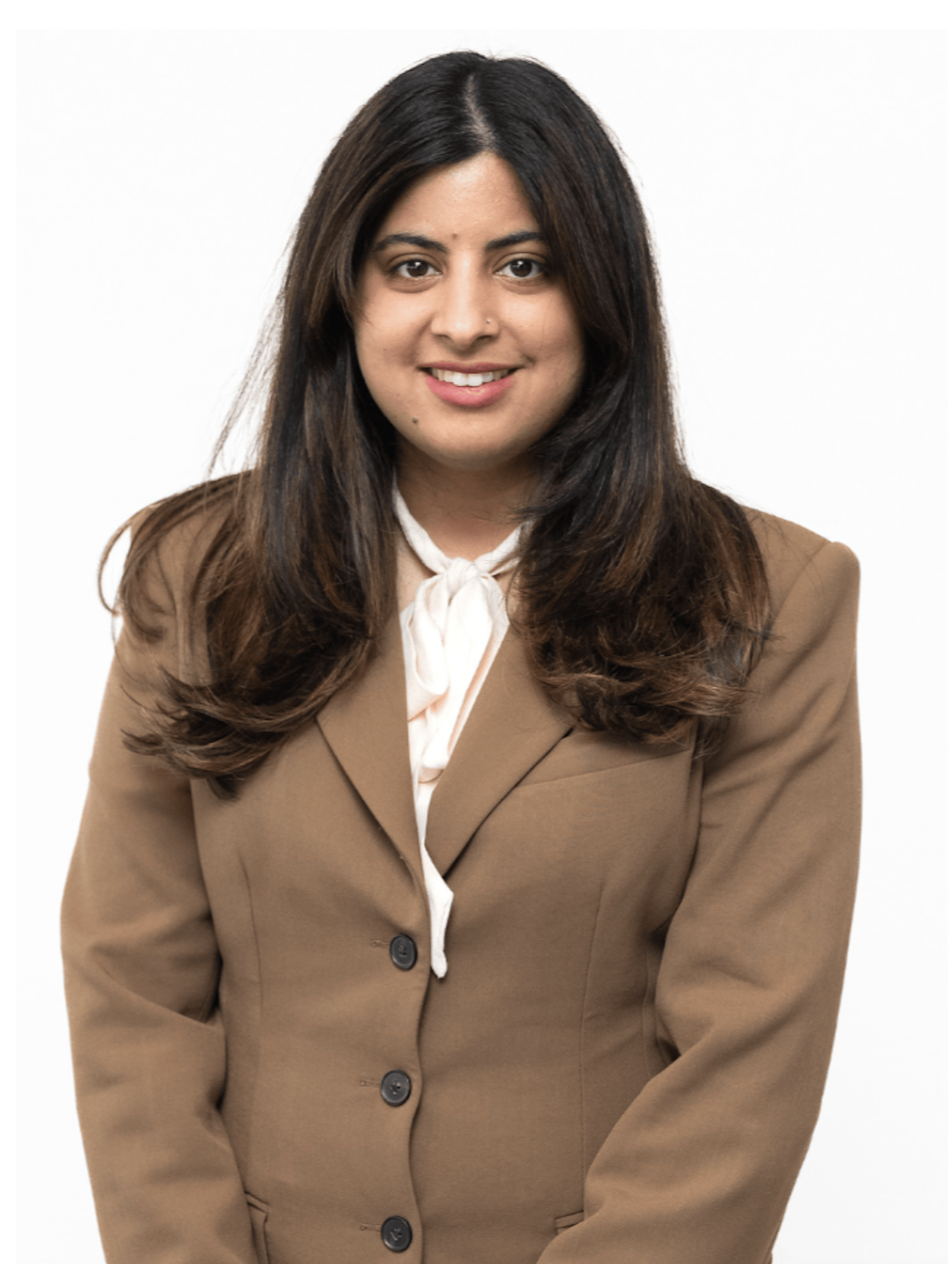
Amaanat is a public health researcher and professional committed to advancing global health equity, sexual and reproductive health rights, resilient health systems, and eradicating gender-based violence. She holds an MSc in Community Health Sciences from the University of Manitoba, currently serves as Deputy Director of Health Together, and is a PhD student in Public Health Sciences at Queen's University. Over the years, she has collectively contributed to research and initiatives in the areas of gender-based violence, sexual and reproductive health, HIV, and maternal child health. Her work draws on mixed methods and community-based research, where she uses a systems thinking lens to understand how policies and health systems can respond to the needs of girls, women, and marginalized communities. She is committed to supporting survivor-centred advocacy and advancing coordinated action to end FGM/C in Canada and globally.
“FGM/C is a profound violation of the health, dignity, bodily autonomy, and human rights of women and girls within Canada and around the world. Ending it goes beyond awareness, it also requires survivor-centred leadership, safe and informed support services, meaningful community partnership, and ongoing action across Canada's health, social, and policy systems. It is a great honour to contribute to a movement that uplifts survivors' voices while working to ensure every girl can grow up free from violence.”
-
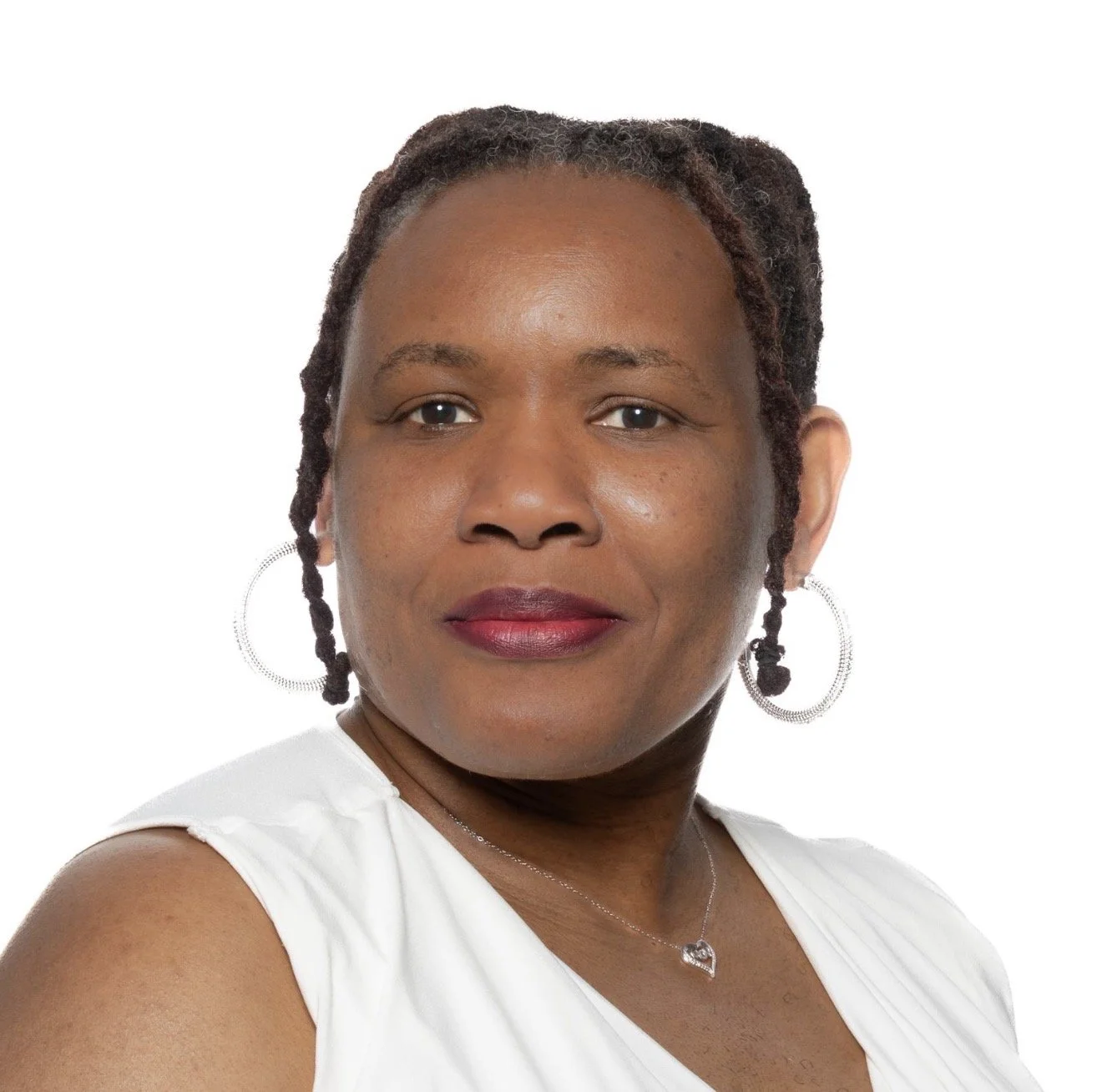
Chigozie is a seasoned legal professional with over two decades of experience in corporate and commercial law, litigation, legislative drafting, policy development, regulatory affairs, and dispute resolution. She holds an LL.B from Nnamdi Azikiwe University, an LL.M, a Master’s in Legislative Drafting, and an MBA from the University of New Brunswick. Called to the Nigerian Bar in 2003, she was the Best Student in Legal Drafting and Conveyancing of her Nigerian Law School cohort. She is also a chartered mediator and arbitrator and is licensed to practice law in Ontario and New Brunswick.
Chigozie currently serves as Regulatory Review Coordinator in the Prevention Unit at WorkSafeNB, where she contributes to legislative and regulatory review, policy analysis, and stakeholder consultation in workplace health and safety.
Beyond her professional career, Chigozie is committed to community service and cultural development. She has served on the Board of Directors of BGC Saint John and was one of the pioneering conveners of the Igbo Women Group in Saint John, an association dedicated to fostering a sense of belonging within the Igbo community while preserving and promoting its cultural heritage.
Chigozie is married and blessed with a boy and three girls. Outside her professional and community commitments, she enjoys research, travelling, and gardening. Her career and community involvement reflect her commitment to leadership, public service, inclusion, and positive community impact.
“Every girl deserves to grow up protected, respected, and free to make choices about her own body. Ending FGM/C is a responsibility we all share.”
-
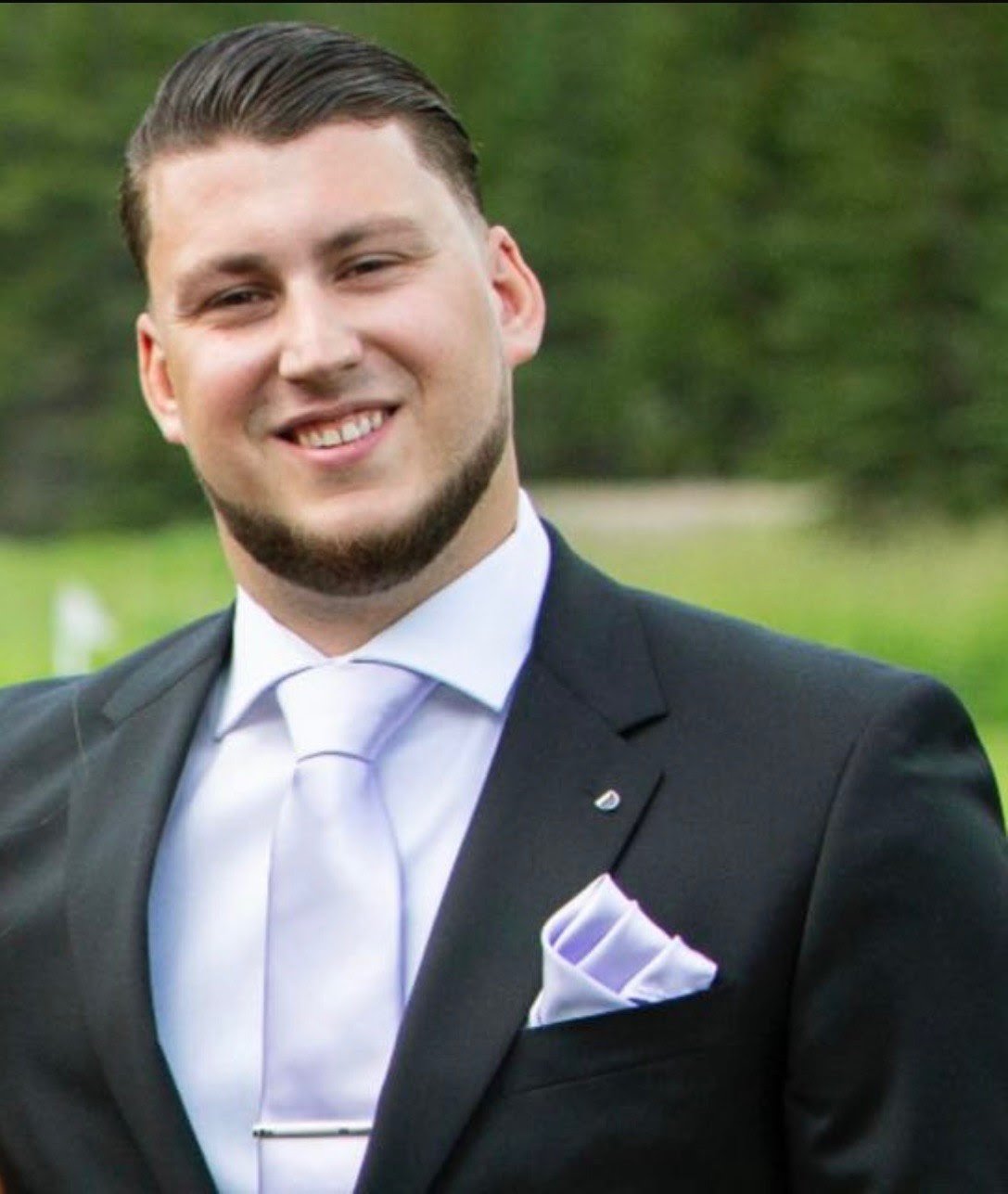
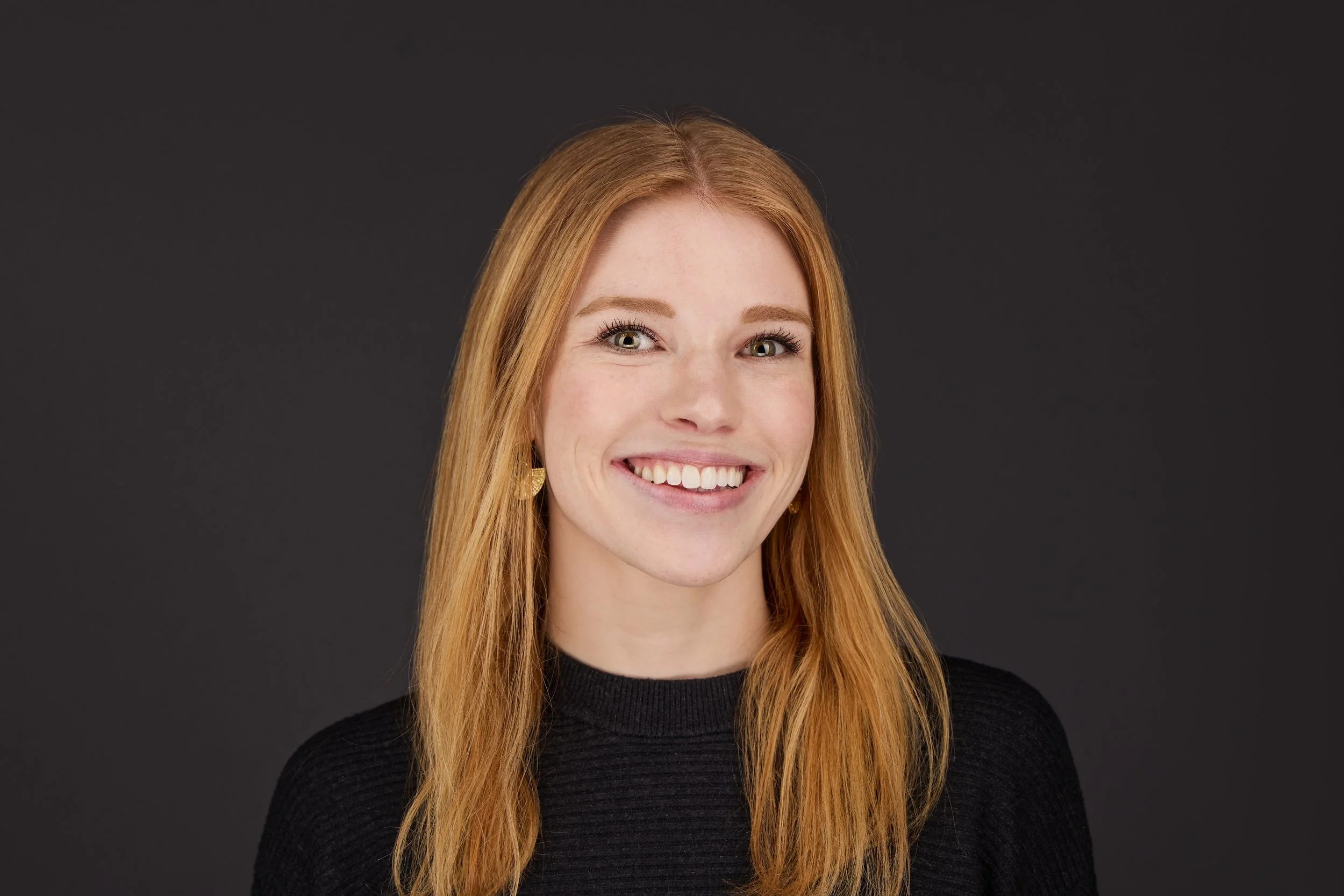
Jared Robbins is a Canadian accountant based in British Columbia. Over the years, he has grown his own practice while working closely with nonprofits, social-impact organizations, and community initiatives across Canada. He has provided his services to organizations and individuals in need, with a focus on strengthening financial transparency and governance. Through this work, Jared has seen firsthand how essential solid financial foundations are for organizations advocating for human rights.
He joined the End FGM Canada Network to support a mission he believes is critically important: protecting the safety, dignity, and rights of women and girls. Jaredbrings his financial expertise to help strengthen the Network’s operations, ensuring the organization is equipped to elevate survivors’ voices, educate the public, and advocate for meaningful policy change.
Quote
“I joined the network because ending FGM requires not only advocacy, but strong organizational foundations. This issue affects millions of women and girls globally, including many in Canada who remain unseen in official statistics. FGM is a profound violation of human rights, and the silence around it only deepens the harm. I believe that when organizations have the financial clarity and stability they need, they are better equipped to amplify survivors’ voices, engage policymakers, and drive meaningful change. I’m honoured to contribute to that work.”
-
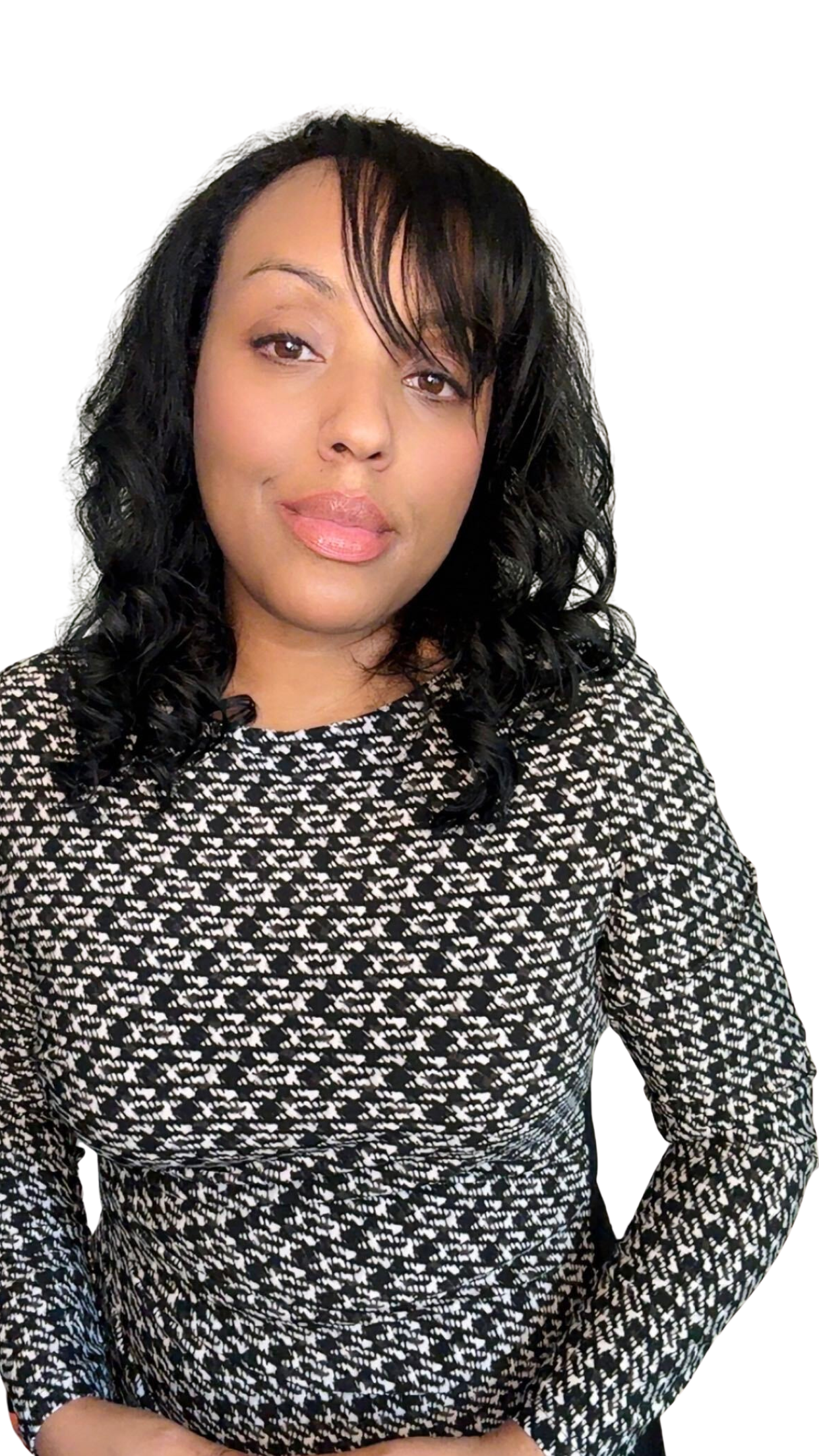
Hayley is the Director of Development at Dignity Network Canada and has over a decade of experience across the non-profit, gender justice, and feminist sectors. For five years, she served as Co-Executive Director of Monthly Dignity, scaling the organization into a nationally recognized force in menstrual equity with a broad partner network. She has worked with a broad range of mission-driven organizations, including Oxfam, War Child Canada, Fòs Feminista, and the Research Network on Women, Peace and Security. A McCall MacBain Scholar, Hayley holds a Master's in Political Science and International Development from McGill University. Her work across reproductive health, menstrual equity, and queer liberation is grounded in a single, unwavering commitment to dignity and justice for all.
“One of the biggest barriers to ending FGM/C is the secrecy and stigma that surround it. We cannot solve a problem we're not even able to name out loud. My commitment is to help bring FGM/C out of the shadows and to support the incredible advocates around the world who have been brave enough to share their voices and experiences. We need to make space for them to be heard and taken seriously, because that is how we create real, lasting change and make FGM/C a thing of the past.”
-
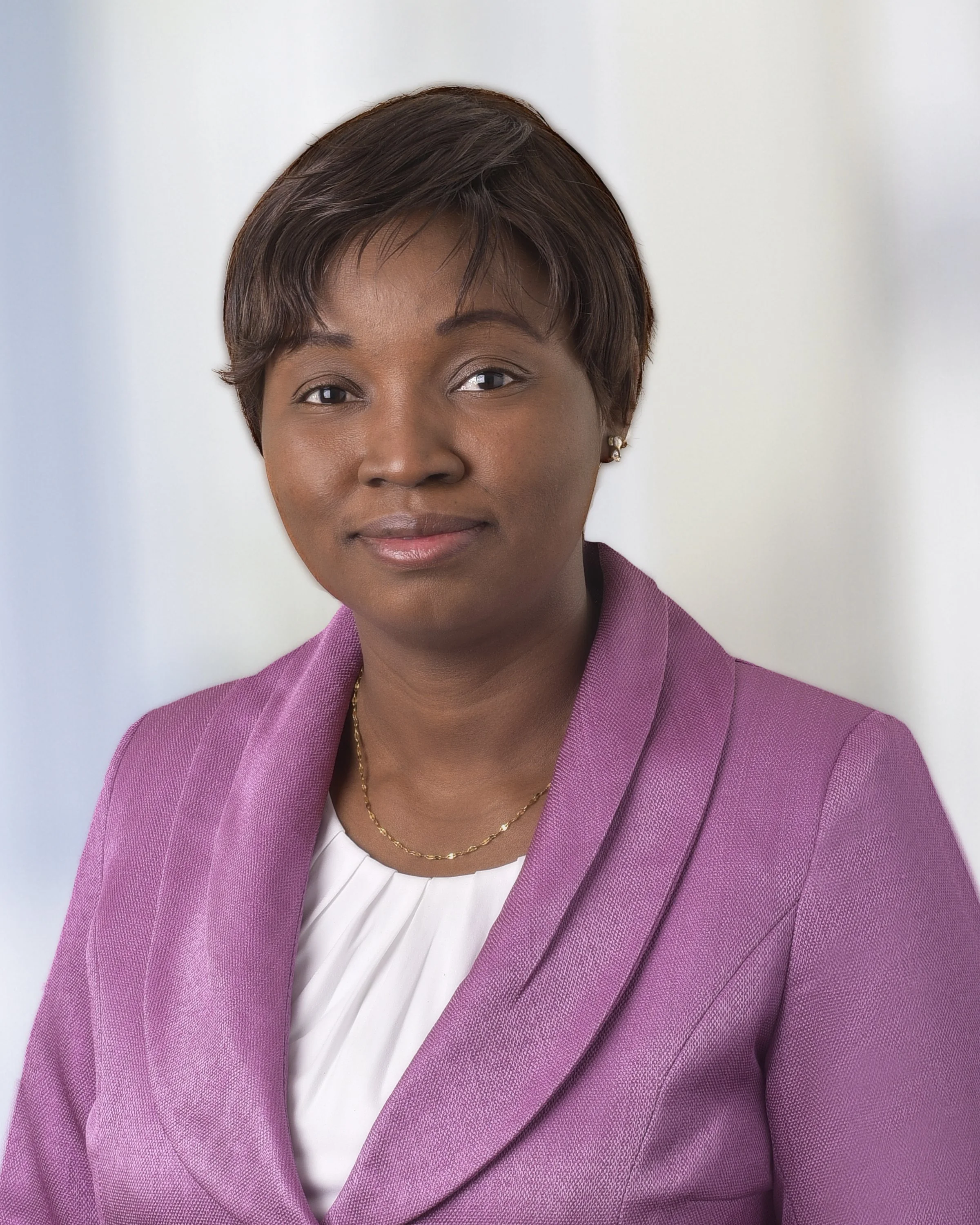
Qayowe is a global holistic wellness advocate, community development professional, and technology professional with experience working across Calgary and Minneapolis communities. She has a background in program development, community engagement, and supporting initiatives that create greater access, connection, and belonging for women, newcomers, and intergenerational families.
Today, Qayowe works in the technology sector, where she brings her experience in relationship-building, partnerships, and digital solutions to mission-driven organizations. Her work in tech has deepened her understanding of how technology, advocacy, and strategic partnerships can be used to connect people with resources and create meaningful social impact.
Qayowe is also a longtime meditation and holistic wellness teacher. Her work with individuals and communities has given her a deep understanding of the lifelong emotional and social impact of FGM/C and the importance of creating environments where survivors can feel safe, respected, and supported.
“There are not many safe spaces for survivors of FGM/C and very few informed service providers in Canada. From health workers, social workers and other systems. All need to help survivors feel safe, supported and nurtured in their journey back to wholeness. The community I’m from is more shame-focused when advocates speak up on FGM/C. Which further creates unsafe spaces for survivors to seek support. I wish to be part of End FGM Canada Network, to support the process of providing resources and knowledge to front-line workers and policymakers. Survivors need to feel safe and young Canadian girls must be protected.”
-
Amira is a human rights advocate with 17 years of extensive expertise in gender equality and gender-based violence. She has worked with several United Nations agencies and Canadian non-governmental organizations on multisectoral initiatives addressing gender inequality. She is particularly committed to the elimination of harmful practices, including child marriage and FGM, which violate the rights of millions of girls and women. Her experience spans countries such as Burkina Faso and Uganda, where FGM is practiced. She contributed to the UNFPA-UNICEF Joint Programme on the Elimination of FGM, the world’s largest initiative on this issue, working with diverse stakeholders on advocacy, law enforcement, and social change. Amira brings this experience to support the mission of the End FGM Canada Network.
“I joined the End FGM Canada Network to advance evidence-based advocacy and social change. While FGM is more widely recognized in regions in which it is traditionally practiced, it remains insufficiently understood in Canada, where it is also a reality. Policymakers, service providers, community members, including young people, need greater awareness and must act against this human rights violation. I strongly believe everyone can play a role in ending FGM, and the Network’s efforts to drive meaningful change inspire my commitment to serve on its Board of Directors.”